Travel Market Research: Itineraries and Buyer Needs
Travel research helps choose trips people can actually take. Compare complete itineraries, the whole party’s needs and alternatives before developing an offer.
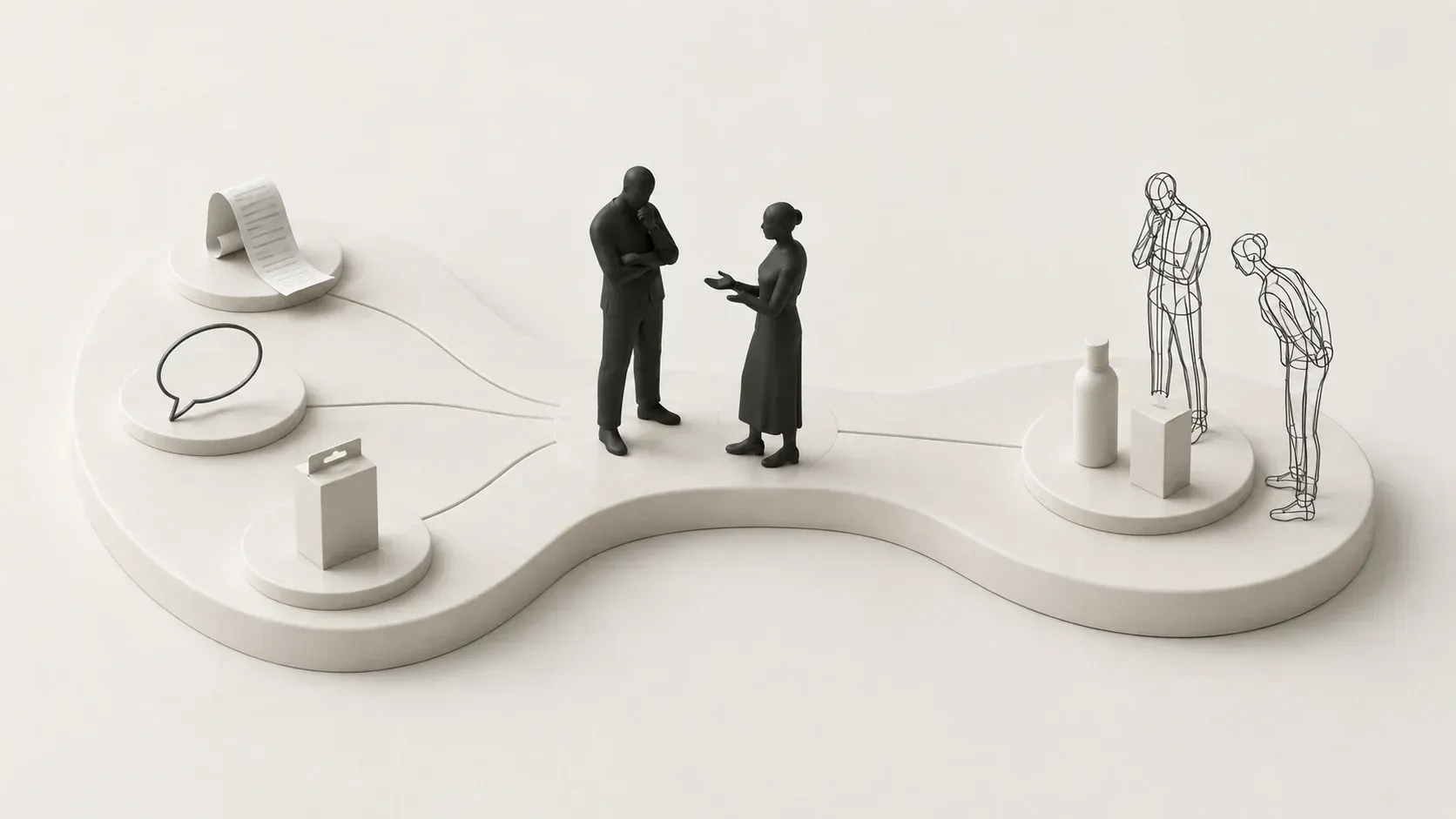
Travel market research helps operators decide which trips and itineraries to develop. It examines the travelers, planning situation, alternatives and complete terms that shape a choice. This guide shows how to compare departures for the whole traveling party, use the right source accounts and identify when a revised trip needs its own test.
The useful development question is which departure or itinerary to offer a defined audience, and what would have to change for one to enter consideration. Answer it with the traveling situation and complete trip terms beside each response.
Example: a weekend neither departure fits
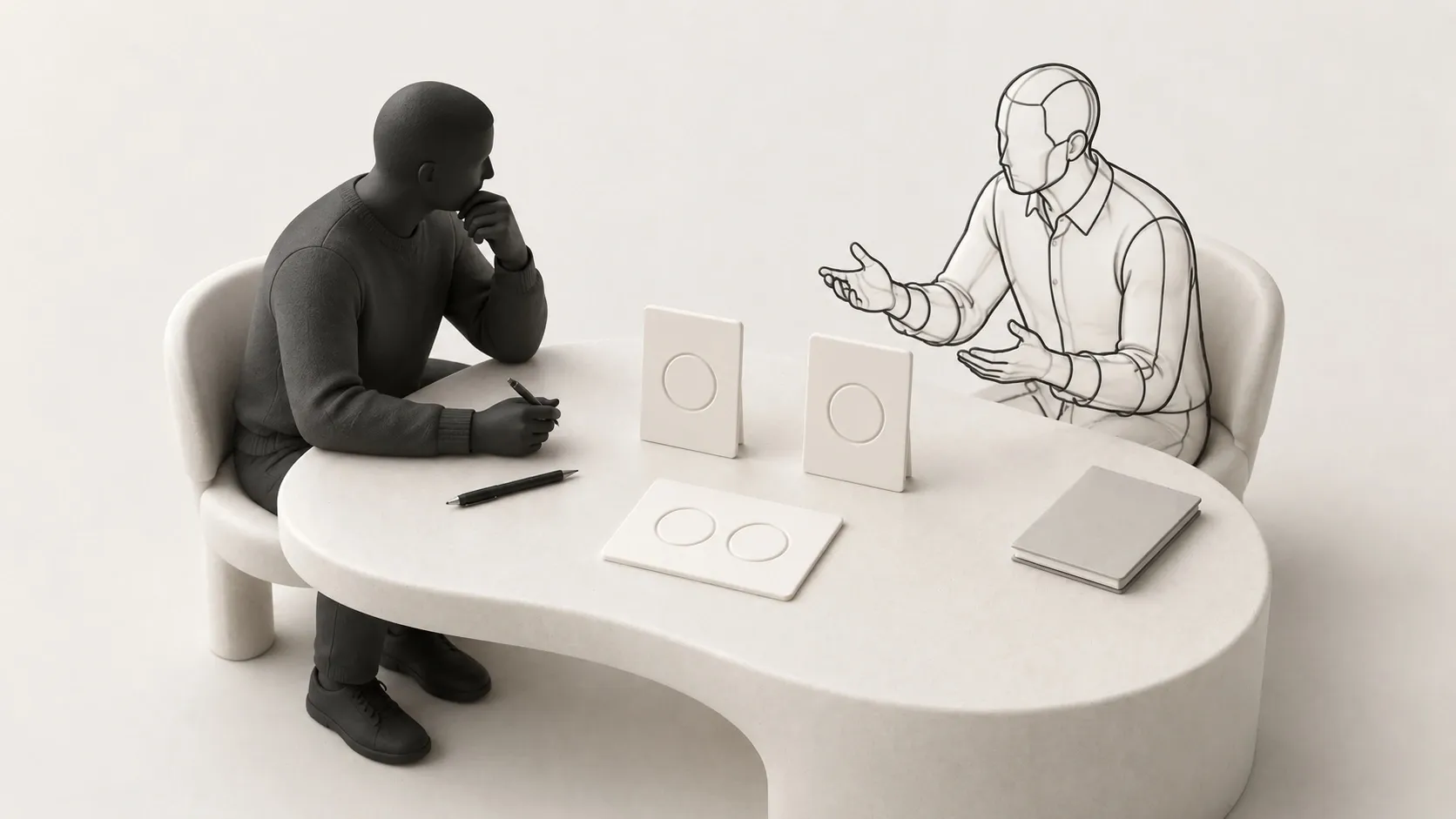
Consider a hypothetical operator developing a short leisure break. It has two feasible products: a Friday-to-Sunday departure and a Saturday-to-Monday departure. The operating team supplies the itinerary, meeting and transport arrangements, room and occupancy basis, inclusions, exclusions and complete booking terms for each.
The intended audience is people arranging a break with a companion. For one party, the organizer can travel Friday to Sunday; the necessary companion can travel Saturday to Monday. Each can like an existing departure individually. The overlap in their availability is Saturday to Sunday, which is neither product as supplied.
The operator can investigate a shorter break, another audience for an existing trip or postponing the idea. Do not shorten the itinerary and reuse reactions to the longer version. Define a feasible program and full terms for the new trip.
Keep the alternatives people would actually consider: another operator, another destination, postponement or no trip. A product can be attractive while losing to a different use of the same available weekend.
Define the audience by the trip being planned
Specify the trip, departure area, companions and planning stage. Adults who like travel are too broad a group. Our usage and attitude study guide connects past habits with the occasion behind a product opportunity.
BVA BDRC's travel and tourism offering covers intentions, holiday types, destinations, targeted offers and booking channels. For this study, ask how the provider will identify the planning situation before comparing departures.
If who travels, who can choose and which conditions must align are unclear, study recent planning first. Ask what started the trip, which companions were necessary, possible dates and duration, and the alternatives the party kept.
Return conditions the product team can use. If parties cannot return Monday, stronger copy for a Saturday-to-Monday trip misses the product problem. More individual interest still leaves whose trip each answer describes.
Compare the whole trip, including the return
Once the situation is clear, show complete trips the operator can supply for that audience and occasion. Our concept testing guide covers the wider design. Departure and return are part of the travel product, not incidental details.
Proposed product | What the response should explain |
|---|---|
Friday-to-Sunday break | Whether this complete departure fits the intended party's available period and desired experience, and what prevents consideration. |
Saturday-to-Monday break | Whether the later departure and Monday return work together for that party, alongside the supplied itinerary and terms. |
A newly defined Saturday-to-Sunday break | Whether its shorter experience is worth considering after the operator has established a feasible revised program and complete terms. |
The third row is a proposed development direction, not an already approved offer. A shorter trip could remove the feature that made the original appealing, or require a different journey, room arrangement or program. Make those consequences visible before interpreting a favorable answer.
Ask what the itinerary includes, why it is worth considering and which condition changes the choice. “I can leave on Saturday” does not settle Monday’s return, the companion’s availability or the shorter program’s value.
Keep accounts from the same trip linked
An organizer can describe their planning. Separate what they know directly from what they report about companions. Link actual accounts from the same proposed trip when the sources support it, keeping disagreements.
Independent respondents do not become companions because their answers fit together. Nor can separate preferences establish a real party's availability or agreement. Several travelers describing one trip remain several perspectives on that trip; one traveler considering two mutually exclusive departures has not supplied two bookings.
Simulated responses can explore a supplied travel situation, not verify a companion’s agreement, travel-document eligibility or an inventory reservation.
Use the answer to change the trip
The research readout should connect the response to a development action. Which departure fits the intended situation? What changes when the duration changes? Which groups would keep searching, postpone or choose no trip? What is understood differently from the operator's intended promise?
Developing a shorter break is one possibility. Keeping the longer product for a party whose dates fit is another. Put the source, audience and open operating conditions beside the recommendation.
There is also a simpler commission. A solo-traveler product may have no companion decision to reconstruct. An organizer may have established authority, with adequate existing evidence for the relevant party conditions. In either case, move directly to a grounded comparison when further party discovery would answer no necessary question.
If the product fits but booking breaks down, use our customer journey research guide. Consideration, reservations, cancellations and completed trips are different observations. A favorable answer is not a future booking.
A hotel’s in-stay service is a different question. Our hotel market research guide compares a mixed lounge and quiet shared workroom, including guests’ activities alongside each other. That concerns the stay, not the trip dates.
Test the revised trip on its own terms
Sapien builds simulated audiences from relevant data, runs the study and helps interpret it. Compare complete departures and, once feasible, the revised Saturday-to-Sunday program. Explore differences between party situations and reasons for considering, rejecting or choosing another trip.
Use that work to choose what to develop or investigate next. Actual companion agreement, supplier commitments and completed travel retain their own evidence; a study does not supply those operating decisions.
Book a demo with the complete trips ready to compare. Test a feasible shorter program on its own value and terms, or investigate the different parties a longer break fits.