Hotel Market Research: Guest Needs and Service Design
Hotel research connects guest needs with a stay you can deliver. Compare complete space offers, activity rules and expectations before changing the property.
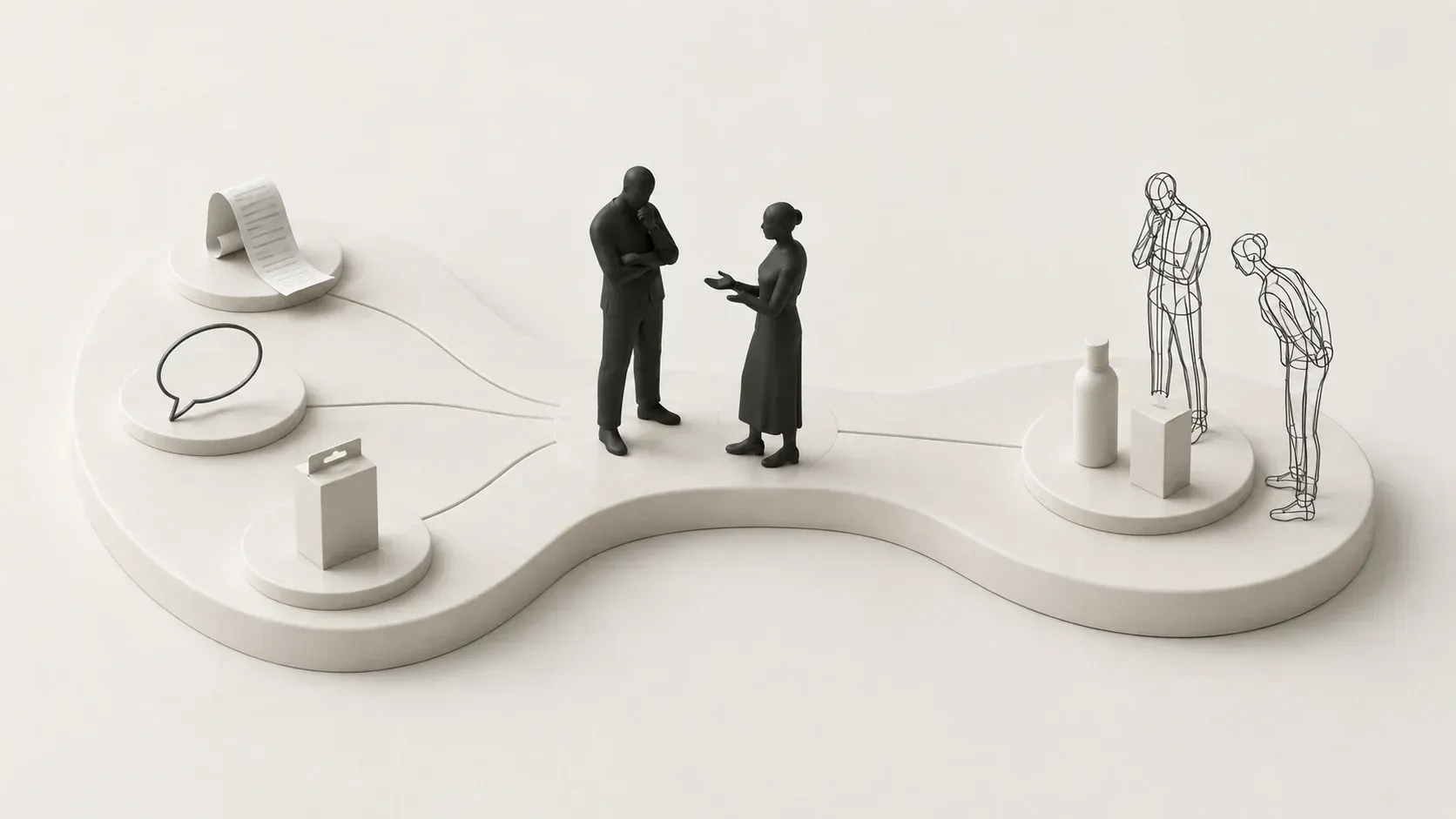
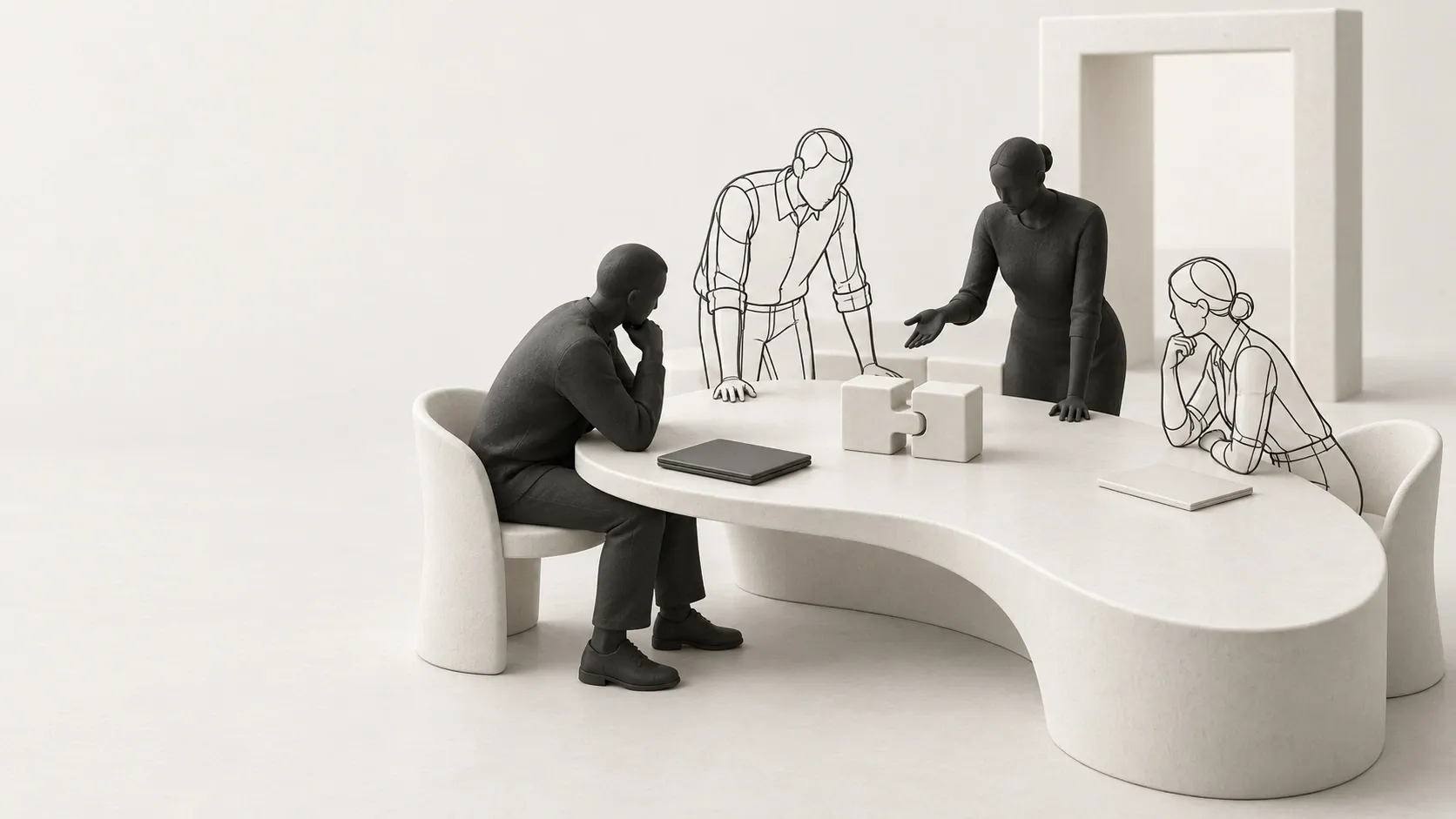
Hotel market research explores what guests need, how they choose a stay and what they expect from the offer. It helps a hotel decide which experience to develop. This guide shows how to compare shared-space options, understand activities that affect other guests and separate an appealing concept from a delivered service.
Before changing the property, find which stay situations the space serves, what guests think they can do there and how those activities fit together. A high room rating leaves those questions open.
Example: the hotel’s shared lounge
Consider a hypothetical hotel with one ground-floor guest lounge and two proposals. The operator supplies feasible layouts with ten shared seats, access for hotel guests from 7 a.m. to 9 p.m. and no seat reservations. Rooms and the other supplied stay terms are the same.
One guest may be finishing a presentation, another taking a private call and a third talking with a companion while waiting for a room. All three might like a photograph labeled “work lounge” while imagining different spaces.
Proposed space | What a guest can actually do there |
|---|---|
Mixed guest lounge with a work table | Conversation, arrival and departure waiting, and individual deskwork share the room. Calls are allowed, but the space offers no privacy or quiet-work promise. |
Quiet shared workroom | Individual deskwork is permitted; calls and conversation are excluded. It is a shared room, with no private-call facility. The operator's supplied plan places social waiting elsewhere in the hotel. |
Choose whether to keep the mixed lounge, develop a quiet shared workroom, define another workable offer or defer the change. Start with guest tasks, not an amenity popularity list.
The second proposal depends on that remaining waiting space being real and usable. The research team cannot imagine it into the offer. Likewise, a quiet-use rule needs an operating arrangement that can support it. A concept description does not establish acoustic conditions or how guests will behave.
Our concept testing guide covers comparison design. Here, guests need to know what they can do alongside other people. A desk in a photograph cannot explain those rules.
Find the stay behind the amenity request
If the current evidence consists mainly of amenity wishes or broad interest among business travelers, commission an investigation of relevant stay episodes first. What task needed space outside the bedroom? Who else was present? What conditions made the task possible, and what did the guest do when those conditions were absent?
Include existing lounge users whose stay would change. Talking with a waiting companion is part of the service, even if the team prefers laptop users. Study both uses and how they interact, not only guests who like the workroom.
MindMarket's hospitality offering includes concept and guest-experience work with business and leisure travelers. Ask how the study links each account to a stay and the proposed space conditions.
Keep reported experience, operating records and observation distinct. A privacy complaint is an account, not an acoustic test. Our customer needs analysis guide shows how the underlying task can change the brief.
The quiet workroom does not include private calls
If the hotel favors the quiet workroom, it still cannot serve a confidential call there. The room excludes calls and provides no privacy. Calling it quieter would not fix that mismatch.
Keep the room for deskwork, investigate a workable call facility or choose another direction. Do not add a privacy promise just because a response imagined one.
Editing slides without a call may fit the workroom. Working while talking may fit the lounge. These are possibilities to investigate, not measured preferences or proven winning groups.
Conversation is allowed in the mixed lounge, so it is not a service failure when another guest imagined silence. Excluding it in the workroom changes the whole offer. Do not test approval of “work facilities” without those conditions.
Compare complete stays once the offers are ready
There is a shorter commission when current guest evidence already establishes the intended tasks and other lounge uses, and the operator has supplied complete, feasible arrangements. Compare the proposed stays directly. Repeating general discovery would answer no missing question.
Show activity rules, access, shared seats, no reservations and remaining facilities with all other stay terms. Include another hotel, the current offer or neither when relevant. Check what guests think is allowed before reading consideration scores.
Return a development action for each stay situation: what works, what is misunderstood, which other use changes and what remains open. A quiet deskwork recommendation must not become a promise of calls, guaranteed seats or a fit for every business traveler.
If the offer fits but finding or booking it fails, use our customer journey research guide. A better booking path cannot change permitted room activities.
Use operating evidence for what the room delivers
The operator confirms layout, access, capacity, acoustics, service arrangements and physical changes. Observe actual conduct, waiting, use and complaints with suitable methods. A proposed-offer study cannot show that the room has delivered it.
Keep the arrangement and rules with any operating-test observations. Record what guests could use and what was delivered. Consideration, booking, space use and commercial results need their own evidence.
Our restaurant market research guide compares advance-order collection with seated lunch. That asks when guests can commit to a meal and which dining service to develop.
Start the next brief with the guest’s task
Sapien builds simulated audiences from relevant data, runs research and helps explain the findings. Compare complete mixed-lounge and workroom offers using existing guest research as context. Explore group differences and reasons to choose which tasks to serve and what needs changing.
Keep simulated findings apart from observation, physical tests and bookings. Our synthetic vs human respondents guide helps choose the right source.
Book a demo to check what guests think the shared space permits. Expectations of calls, reserved seats or conversation can reveal which offer or explanation needs revision.