Brand Perception Research: Methods and Examples
Brand perception research reveals what buyers think of your brand and why. Learn the questions, ratings and tests that help you choose what to change.
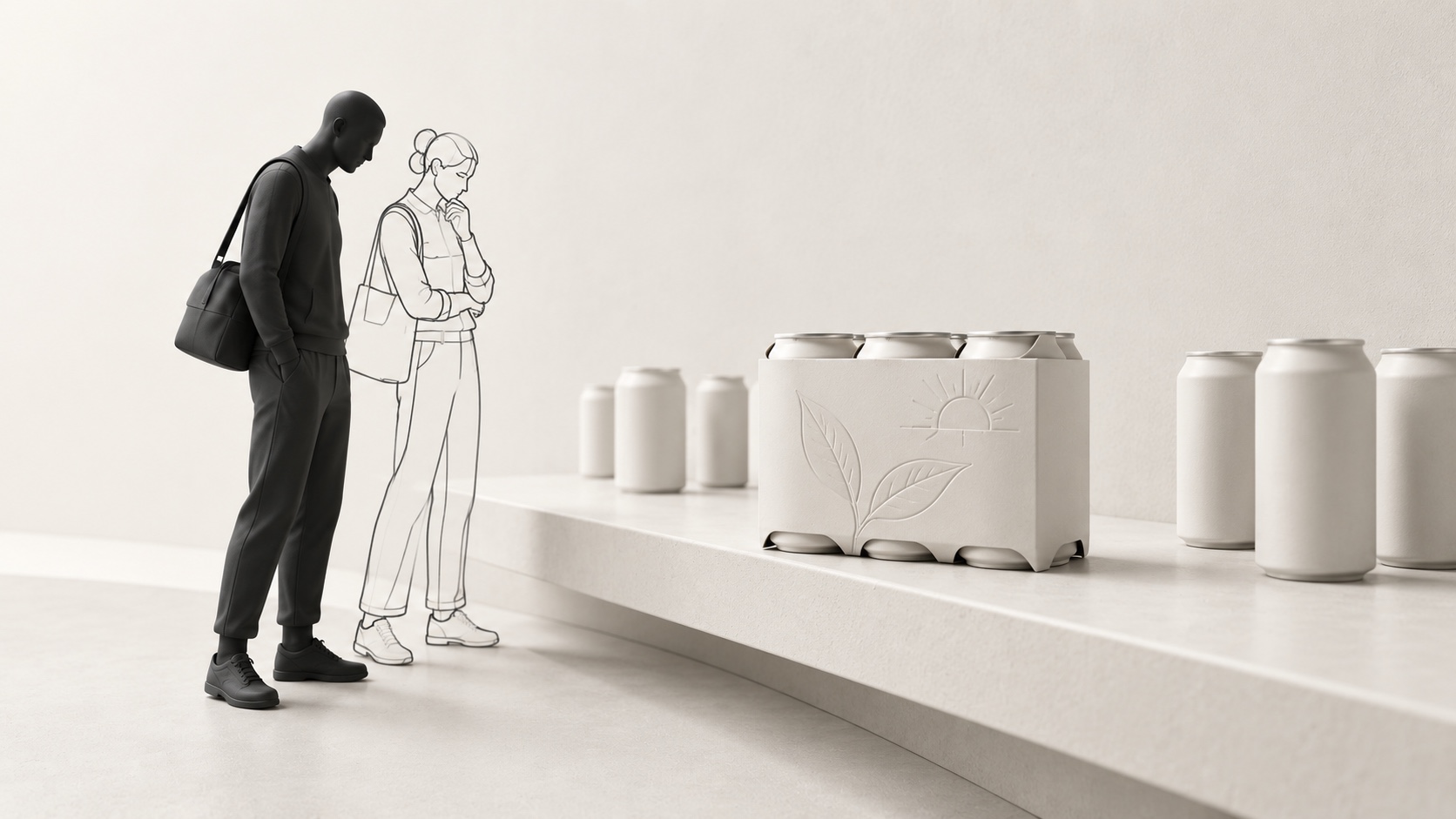
Brand perception research explores what buyers think and feel about your brand, why they see it that way and what is worth changing. It helps you choose between better communication, a new presentation or product work. This guide covers useful questions, ratings and tests for a clearer brand impression.
Start with the buyer’s own associations
Example: Lumen’s premium tea impression
This hypothetical example compares sparkling-tea brands Lumen, Harbor and Plainfield. Lumen wants to feel like a premium afternoon treat while staying convenient to buy at the grocery store. The ratings and responses help the team decide whether to change the pack, explanation or product.
If you start by asking whether your brand is “premium,” you have already supplied the idea you want to hear. Begin with the buyer's own description. You can introduce a list of attributes after you understand the associations that come up without prompting.
Use questions such as:
- “What comes to mind when you think of Lumen?”
- “What makes you describe it that way?”
- “Think about the last time you saw or bought it. What do you remember?”
- “When would you choose it, and what would you choose instead?”
Then ask how well the brand fits a short set of attributes relevant to your decision. For Lumen, those are convenient, premium and affordable. Use the same questions and scale for the alternatives so you can compare like with like. Offer “not enough knowledge to answer” instead of asking someone to rate a brand they barely know.
If you also measure awareness, ask which tea brands come to mind before showing names. Keep awareness, perception and consideration as different questions. Recognizing Lumen cannot tell you what someone thinks of it or whether they would buy it.
Ask prospects what makes the brand worth considering or stops them. Ask current customers why they would choose it again or leave. Connect the impression to the purchase.
Use ratings to choose a follow-up question
Here, 100 target tea buyers are asked about each brand. Only those who feel able to judge a brand count in its average. The table keeps those response totals beside the ratings.
The five-point scale runs from 1, “does not fit at all,” through 2, “fits slightly,” 3, “fits moderately,” and 4, “fits very well,” to 5, “fits extremely well.”
Brand and sample | Average fit rating (1–5) |
|---|---|
Lumen · 80 of 100 rated it; 20% unable to rate | Convenient 4.2 · Premium 3.0 · Affordable 3.7 |
Harbor · 60 of 100 rated it; 40% unable to rate | Convenient 3.1 · Premium 4.4 · Affordable 2.4 |
Plainfield · 90 of 100 rated it; 10% unable to rate | Convenient 3.6 · Premium 2.8 · Affordable 4.3 |
Convenience is Lumen’s clearest strength; its premium association is weaker. Ask what makes Harbor feel premium to people who know it. Plainfield offers a different comparison around affordability.
Use the pattern to choose what to ask next. Different people rate each brand, so this is not an overall ranking. A higher premium rating cannot show higher sales. Find an association that matters to buyers and that Lumen can deliver.
Ask “What would make this drink feel like an afternoon treat?” Look for a specific flavor, serving occasion or pack detail that makes a short break feel special. “Make it more premium” is too broad a brief for a designer.
Find what created the impression
Two buyers can give the same rating for different reasons. One knows the supermarket pack; another tried the drink and found it too sweet. Learn where the view came from before choosing what to change.
Suppose a buyer says, “It's easy to find, but the last can tasted too sweet.” That gives you two separate jobs: protect the distribution strength and investigate the taste experience. A more luxurious label would leave the second problem unresolved.
Follow the reason to the right team:
- They used the product: ask which version, when and what happened. Give product the specific experience to check.
- They saw the pack or ad: ask which words, images or design details created the expectation. Give creative something to revise and test.
- They heard about it: ask what they heard and whether they tried it. Keep an expectation apart from an actual product experience.
- They cannot explain the rating: keep that uncertainty. A number without a reason gives you less support for a redesign.
Put the explanation beside the recommendation. “Low premium rating” shows where to look. “The pack looks like an everyday soft drink, so I wouldn't think of serving it as a treat” gives design a specific problem.
Decide what premium means to the buyer
For an afternoon treat, premium might mean a distinctive flavor and a short indulgence. For a gift, it may mean presentation and confidence the recipient will enjoy it. Choose the meaning before asking creative to change Lumen.
Choose something the product can deliver. For flavor, show confirmed recipe facts or actual taste evidence. For a deliberate break, show the drink in that occasion. Keep the convenient grocery purchase clear in both.
Use Harbor’s premium association to ask better questions, not to copy its packaging. Find the cues your buyers value and which fit Lumen. A higher price can look expensive without giving anyone a better reason to buy.
To choose the promise before developing its presentation, use our positioning research guide.
Keep the useful association when changing the pack
Compare the current and revised presentation with the same price, product facts and viewing conditions. Ask what the drink is, when someone would use it and what they expect before showing attribute ratings.
Ask the report to answer three questions:
- Does the new presentation create the intended afternoon-treat association? Show the words or visual details buyers cite.
- Can the drink deliver the expected experience? Flag any unsupported ingredient or flavor expectation for product review.
- Does the convenient purchase remain clear? Check that the design still makes the category and place of purchase easy to understand.
Choose a presentation that gives a useful reason to buy and keeps the convenient purchase clear. Fix a cue that suggests the wrong flavor or hides what the drink is. If recent use reveals a product problem, check it before spending on premium imagery.
Example: recognizing a redesigned can
Now Lumen is changing its wordmark and can design. Recipe, size, price and retail availability stay the same. The team must decide whether the design can stand alone or needs a link to the familiar pack. Looking more premium will not help if existing buyers no longer recognize their drink.
Henderson and Cote's logo research distinguishes recognition, positive feeling and image goals. Check recognition and design appeal apart. Liking Lumen’s design is useful alongside knowing what buyers think it identifies and promises.
Show old and new packs in the same shelf or product-list setting, with price, facts, size and viewing time held fixed. Randomly assign target buyers to first-exposure groups so the old pack does not teach everyone the new one. If later discussion shows both, rotate order and report it apart. Our packaging design testing guide connects this with recognition, understanding and a design change.
Ask what drink they saw, which brand it is and what helped identify it. Then ask what changed. Leave premium, familiar and trustworthy ratings until later. Pew Research Center's question-order guidance explains how prompted ideas affect later open answers. Showing Lumen’s name in screening just before the task would also undermine an unaided identification claim.
Use earlier screening or purchase records to distinguish customers, people who know the brand and newcomers. A newcomer’s answer cannot show lost recognition among customers. A simulated audience’s assigned familiarity is not measured human brand memory.
Compare the new pack alone with the same pack and the announcement “A new look for the same Lumen sparkling tea.” That fits this unchanged-product example; an actual announcement must state the changes correctly. Ask what buyers think changed and stayed the same. Answers after the announcement measure its message, not unaided pack recognition.
If the redesign suggests a new flavor, find the cue behind that idea. Try a familiar color or pack element and a clearer continuity message. Helping existing buyers find Lumen has a different purpose from raising its premium rating.
Check both jobs: the new impression and correct product identification. A pack test cannot show that the drink, availability or experience will earn the expected trust. Keep what human buyers recognized apart from simulated suggestions.
Give each team a specific change
End the report with a change, reason and owner. For Lumen, creative can develop the afternoon-break presentation, product can check flavor expectations and both should keep the convenient purchase clear.
The recommendation should be traceable to the buyer's explanation. That lets your team assess the next version against a specific problem, rather than ask whether the brand now feels “better.”
With Sapien, survey and interview a simulated audience, compare presentations and explore the answers behind a finding. Share your positioning, competitors, customer research and proposed change. Use human survey evidence for current human awareness and label simulated results clearly.
Share the current presentation, proposed change and impression you need to understand. Discuss your brand-perception question with Sapien to agree which cues and evidence will help you decide.